All-Season vs. All-Terrain Tires: Which You Actually Need
QUICK ANSWER: All-season tires use moderate tread depth and siping built for pavement, giving a quieter ride, better fuel economy, and longer tread life on daily commutes. All-terrain tires use larger tread blocks, tougher rubber, and reinforced sidewalls built for gravel, mud, and towing, at the cost of more road noise and slightly lower mileage. The right choice depends on how much of your driving happens off smooth pavement, not on which tire looks tougher. A truck that spends most of its week on paved roads and only occasionally sees a gravel driveway rarely needs the heavier tire.
You've got a grain truck sitting in the shed with two good years left on its all-terrain tires, and a commuter sedan out front that's overdue for new rubber. Everyone at the counter seems to have an opinion about which type you actually need. One neighbor swears by all-terrains because you never know when you'll hit gravel. Another says that's overkill for a car that never leaves pavement. Both are half right. The gap between them is exactly why this decision trips up more drivers than it should.
What the Tread and Rubber Are Actually Built to Do
All-season and all-terrain tires start from different assumptions about the surface under the wheel, and everything else follows from that.
Tread Block Size
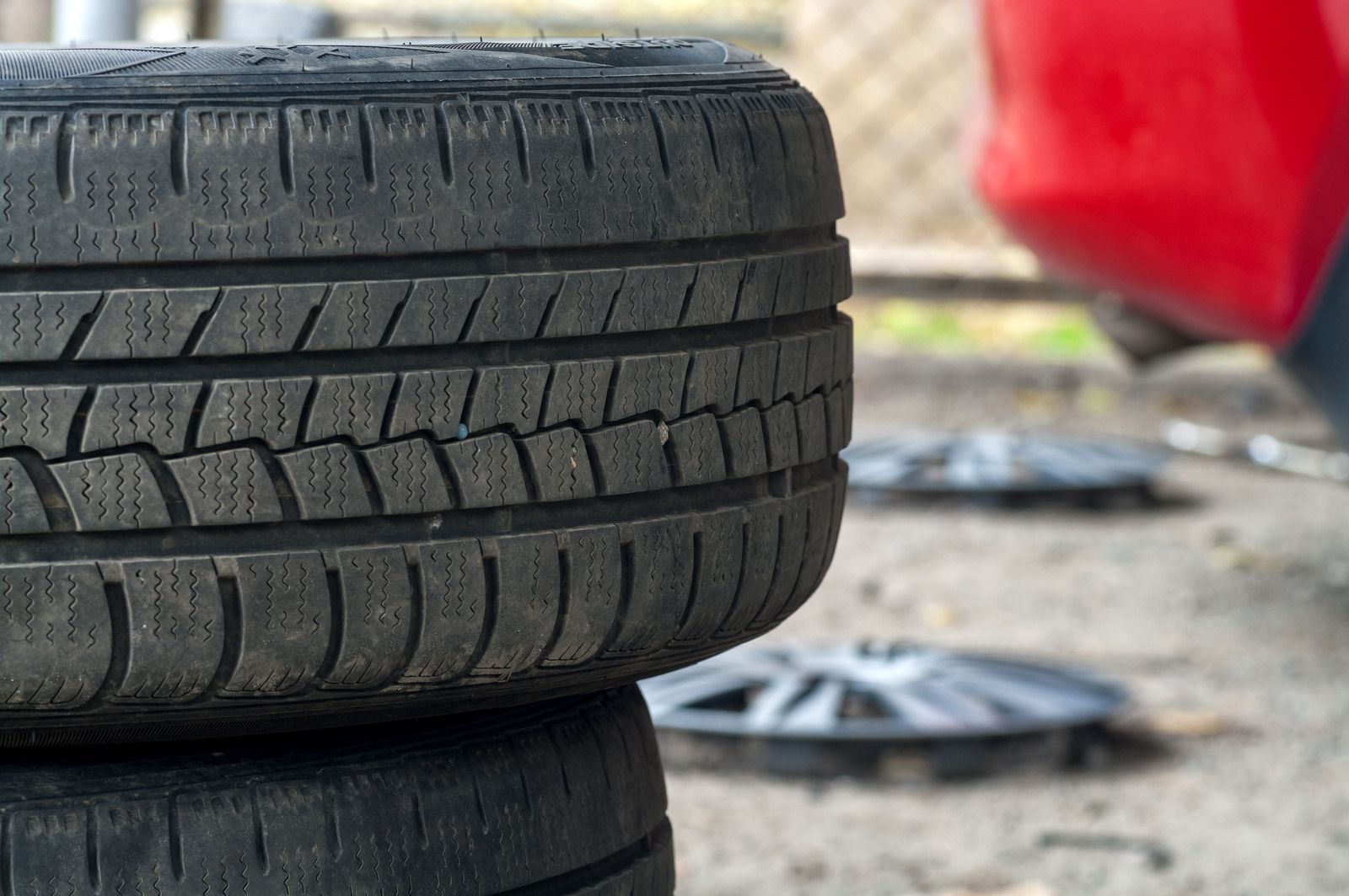
All-season tires use moderate-depth tread blocks arranged for even contact on smooth pavement. All-terrain tires use larger, more widely spaced blocks with deeper voids, which let the tread dig into loose material like gravel or mud instead of skating across the top of it.
Rubber Compound
All-season compounds are formulated as a middle ground, holding up in both warm and cool temperatures without going soft in summer heat or stiff in a cold snap. All-terrain compounds trade some of that flexibility for toughness, since chunks of gravel and field debris chew through soft rubber fast.
Sidewall Construction
All-terrain tires typically carry reinforced sidewalls to resist punctures and cuts from rocks, stubble, and rutted field edges. All-season sidewalls are built lighter, since they're not expected to take that kind of abuse.
Siping
Both tire types use sipes, the narrow slits cut into the tread blocks. As the tread flexes under load, those slits open slightly and create extra biting edges for grip on wet or slick surfaces, then close back up under pressure to keep the tread block strong. All-season tires use a moderate, evenly spaced sipe pattern tuned for pavement in mixed conditions. All-terrain patterns vary more by brand and are usually secondary to the tread's block geometry, since the tire's main traction strategy on loose surfaces comes from those big blocks displacing gravel and mud rather than from fine biting edges.
None of this makes one tire better than the other in the abstract. It makes them built for different jobs, the same way a work boot and a running shoe are both footwear without being interchangeable.
Where All-Season Tires Earn Their Keep
For a vehicle that lives on paved roads, an all-season tire is doing exactly what it was designed to do, not settling for less than it could handle.
Highway And Around-Town Driving
The moderate tread pattern keeps road noise and rolling resistance lower, helping create a quieter ride while supporting better fuel economy during everyday pavement driving.
Occasional Gravel Or Dirt
A short county-road stretch or occasional gravel driveway does not usually justify all-terrain tradeoffs. All-season tires can handle brief exposure to loose surfaces without issue.
Longer Tread Life On Pavement
All-season tread compounds and block patterns are designed for smooth roads, helping them wear evenly and last longer when most driving occurs on pavement.
Daily Commuters And Family Vehicles
Sedans, minivans, and crossovers used mainly for commuting and errands are well suited to all-season tires, with little practical need for more aggressive tread.
Where All-Terrain Tires Earn Their Keep
But the calculation flips for any vehicle whose job regularly takes it off finished road.
Gravel Roads As A Daily Surface, Not An Exception
Regular gravel and dirt routes around west-central Missouri create constant abrasion. All-terrain tires offer reinforced sidewalls and tougher compounds designed to handle those surfaces better than standard all-season tires.
Field Edges, Mud, And Rutted Ground
Trucks crossing fields, pastures, and soft ground after rain benefit from tread that can dig in and shed mud. Large tread blocks and wider voids help maintain traction instead of packing with mud.
Towing And Hauling Loads
Reinforced sidewalls and sturdier construction handle added weight and stress from stock trailers, livestock goosenecks, and equipment trailers. These advantages become particularly useful when towing across uneven farm lanes and rough surfaces.
Debris And Puncture Resistance
Stubble, rocks, and scrap metal around fields or shops can damage lighter sidewalls. All-terrain tires generally provide tougher sidewall construction, helping resist cuts and punctures that could otherwise cause tire failure.
The tradeoff is real and worth naming plainly: all-terrain tires run louder on pavement, use more fuel due to their heavier build and more aggressive tread, and typically don't match an all-season tire's tread life when most of the driving stays on smooth road.
TIP: Match the tire to the vehicle's actual weekly routine rather than its occasional trip. A truck that goes to the field once a month but commutes on pavement the other twenty-nine days is usually still better served by an all-season tire, unless that one trip is regularly through deep mud or rutted ground where traction failure would strand the vehicle.
The Snowflake Symbol Muddies the Comparison
A three-peak mountain snowflake symbol on the sidewall has started showing up on both all-season and all-terrain tires, and it's worth understanding what that symbol actually certifies before it factors into a decision.
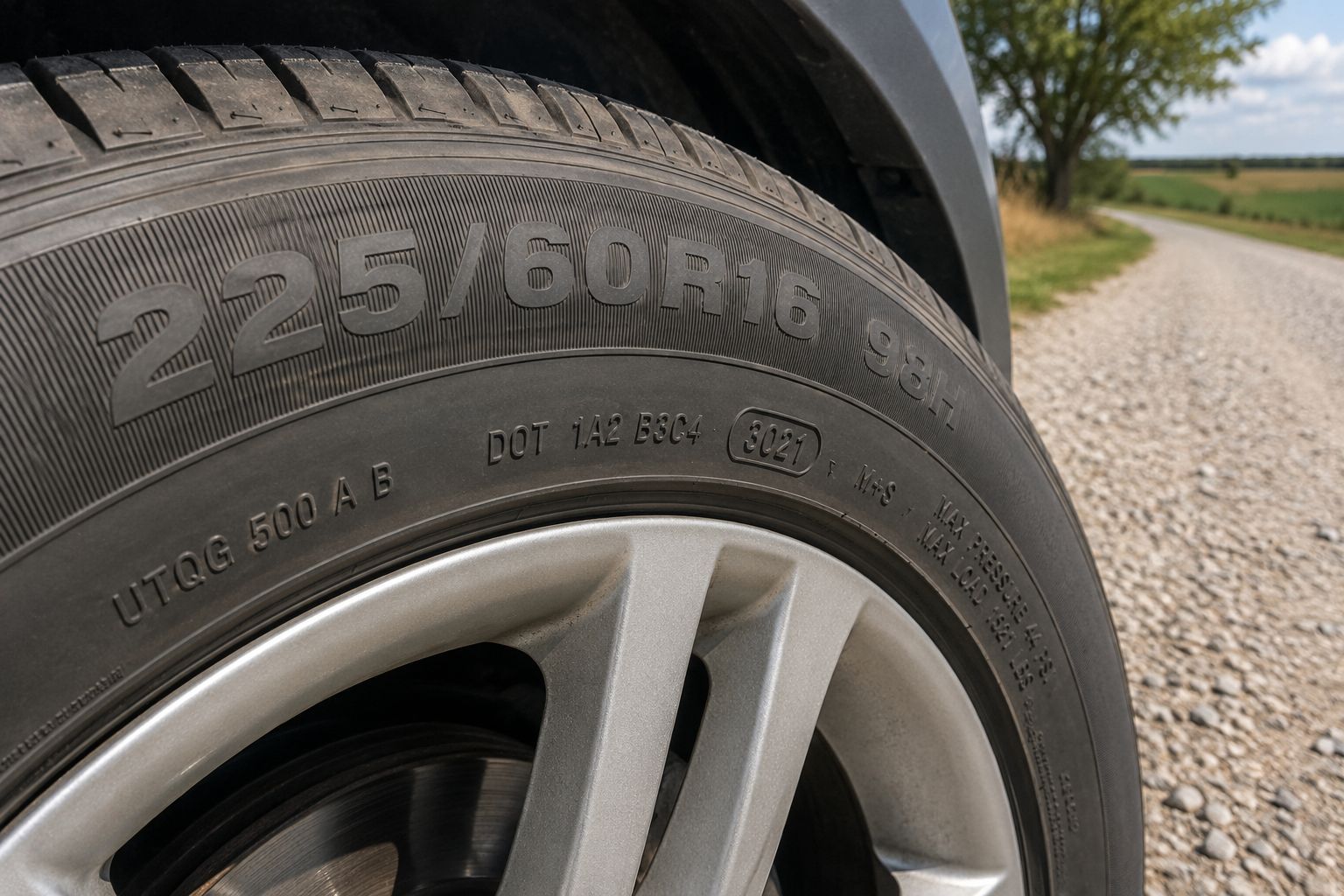
The symbol means a tire passed a standardized acceleration traction test on packed snow, hitting a minimum performance threshold compared to a reference tire. That's a real, verified benchmark, and it's a meaningfully higher bar than the older "M+S" (mud and snow) marking, which is based only on tread pattern geometry and doesn't require passing any performance test at all.
What the snowflake symbol does not test is braking, cornering, or ice traction. A tire carrying it has proven it can accelerate reasonably well in light, packed snow. It hasn't proven anything about stopping distance on ice or how it handles a slick curve. Seeing the symbol on an all-terrain or all-season tire is useful information, not a substitute for a dedicated winter tire in a climate with real ice and heavy snow.
Matching the Tire to the Vehicle's Actual Job
The clearest way through this decision is to separate the vehicle's real routine from how it's occasionally used.
Mostly Pavement, Occasional Gravel
All-season tires are usually the practical choice when gravel is occasional. Limited gravel exposure rarely justifies the added noise, fuel consumption, and tread-life tradeoffs associated with all-terrain tires for everyday driving.
Regular Gravel Roads Or Field Access As Part Of The Daily Route
All-terrain tires make more sense when gravel and field access are routine. Their reinforced construction handles abrasive surfaces regularly, providing benefits that justify their tradeoffs rather than leaving those capabilities unused.
A Vehicle That Does Both, Split Roughly Evenly
When pavement and rough surfaces are evenly divided, either tire type can work. Some drivers accept extra noise and reduced mileage for durability, while others keep all-seasons and use another vehicle for rough routes.
Towing Or Hauling As A Regular Part Of The Job
Regular towing makes load capacity important alongside road surface. A truck pulling loaded trailers benefits from reinforced all-terrain sidewalls, which handle added tire stress that resembles rough-terrain demands during everyday hauling.
WARNING: An all-terrain tire is not a substitute for a winter tire in genuinely icy conditions, even with a snowflake symbol on the sidewall. The symbol certifies snow acceleration on a standardized test, not braking or cornering on ice. A driver who assumes an all-terrain tire will handle a Missouri ice storm the way a dedicated winter tire would is trusting a rating for something it was never tested to do.
Frequently Asked Questions
Can all-terrain tires be used year-round on a daily driver?
Yes, they can be driven every day, but the tradeoffs never go away. Expect more road noise, slightly lower fuel economy, and tread wear shaped by a compound built for abrasion rather than smooth-road longevity.
Do all-terrain tires wear out faster than all-season tires on pavement?
Generally yes, when most driving happens on smooth road. All-terrain compounds and block patterns are built to resist abrasion from gravel and debris, so on pavement an all-season tire usually delivers noticeably longer tread life.
Is there a tire that handles both gravel roads and highway driving equally well?
Some hybrid all-terrain tires aim for middle ground, with a quieter tread and softer ride than heavy-duty models but more durability than a standard all-season. They compromise both ways, so compare them against your routine.
Does tire size or load range change this decision?
Yes. A truck that carries or tows heavy loads needs a matching load range, whether the tread is all-season or all-terrain. An undersized load range is a safety issue, so check it alongside tread type.
How often should tread be checked on a vehicle that runs gravel roads regularly?
More often than a pavement-only vehicle, since abrasive surfaces speed up wear and hide small sidewall damage. A monthly look at tread depth and sidewall condition catches most problems before they turn into roadside trouble.
Will an all-terrain tire hurt fuel economy on a truck that mostly drives highway miles?
Usually somewhat, because heavier construction and a more aggressive tread add rolling resistance. The size of the drop varies by tire model and driving conditions, which is why matching the tire to your routine matters.
Choosing Tires Around the Way You Really Drive
Neither tread design wins in every situation, and an aggressive all-terrain look on the shelf says nothing about what a vehicle actually needs underneath it. A commuter sedan that never leaves pavement gains little from extra road noise and shorter tread life, while a truck running gravel and field roads every week is asking too much of a tire built only for smooth highways. The better starting point is always the vehicle's real weekly routine, not its roughest day of the season.
At McCullough Tire Co
in Clinton, Missouri, we have spent 35
years
fitting tires
to commuter cars, family crossovers, and farm trucks that split their time between county blacktop and muddy pasture lanes. That experience has shown us that the right set usually becomes clear once the conversation turns to where most of the miles are driven. When load, surface, and season all line up with the tread underneath, the vehicle simply does its job, and the tire question quietly settles itself.