How Neglected Tires Are Quietly Draining Your Commercial Fleet's Profit Margins?
Commercial fleets operate on tight schedules, controlled operating costs, and dependable vehicle performance. While fuel management, driver efficiency, and route planning often receive significant attention, tire maintenance is frequently overlooked until a major issue interrupts operations. Neglected tires may appear to be a minor concern at first, but small problems such as uneven tread wear, improper inflation, delayed rotations, or unnoticed damage can steadily increase expenses across an entire fleet. These hidden costs affect fuel consumption, vehicle downtime, roadside emergencies, driver safety, cargo delays, and replacement frequency. For businesses managing delivery vans, service trucks, construction vehicles, or long-haul transportation fleets, tire neglect slowly reduces profitability without creating obvious warning signs during daily operations.
The financial impact becomes more serious as fleet sizes grow and vehicles accumulate mileage across demanding road conditions. Poor tire maintenance not only increases direct repair expenses but also contributes to accelerated wear on suspension systems, brakes, steering components, and fuel systems. Unplanned tire failures can delay customer deliveries, create scheduling disruptions, and damage business reputation. Fleet managers who invest in preventive tire care often reduce long-term operational expenses while improving vehicle reliability and safety. Understanding how neglected tires affect profit margins helps businesses make smarter maintenance decisions that support long-term fleet performance and operational stability.
The Hidden Financial Cost Of Tire Neglect
Fuel Efficiency Losses Add Up Quickly
Underinflated tires create additional rolling resistance, forcing commercial vehicles to consume more fuel during daily operations. Even slight pressure imbalances across multiple fleet vehicles can significantly increase monthly fuel expenses. For fleets operating across regional or interstate routes, this added fuel consumption becomes a major operational cost over time.
Commercial vehicles already operate under heavy loads and demanding schedules. When tires are not properly inflated or aligned, engines must work harder to maintain speed and stability. Fuel efficiency decreases gradually, making the financial loss harder to identify immediately. Many fleet operators focus on fuel prices while overlooking how tire conditions directly affect fuel usage every single day.
Premature Tire Replacement Reduces Profitability
Replacing commercial tires earlier than expected creates avoidable expenses that directly impact fleet budgets. Uneven wear patterns caused by poor maintenance often shorten tire lifespan by thousands of miles. Delayed rotations, improper balancing, and neglected alignment issues commonly lead to premature replacement cycles.
Commercial-grade tires represent a significant investment, especially for fleets operating multiple trucks or service vehicles. When tires wear unevenly or develop sidewall damage from improper maintenance, businesses lose valuable usable mileage. Preventive inspections help identify minor problems before complete tire replacement becomes necessary.
Downtime Interrupts Daily Operations
Unexpected tire failures create operational disruptions that extend far beyond repair costs. Roadside blowouts, punctures, and tread separation can delay deliveries, interrupt schedules, and leave drivers stranded during important routes. These interruptions often result in missed appointments, delayed shipments, and dissatisfied customers.
Fleet downtime also affects labor productivity. Drivers waiting for roadside assistance or replacement vehicles reduce overall operational efficiency. Businesses relying on tight delivery schedules may struggle to maintain customer expectations when tire-related breakdowns occur unexpectedly.
Tire Maintenance Problems That Quietly Increase Expenses
Inconsistent Tire Pressure Monitoring
Many fleets lack consistent tire pressure inspection schedules, especially during busy operational periods. Drivers may visually inspect tires without accurately measuring inflation levels, allowing gradual pressure loss to go unnoticed. Seasonal temperature changes also affect tire pressure more than many operators realize.
Improper tire pressure contributes to uneven wear, reduced traction, poor handling, and increased fuel consumption. Overinflated tires create excessive center tread wear, while underinflated tires wear heavily along the edges. Regular pressure checks help extend tire lifespan while supporting safer vehicle operation.
Delayed Tire Rotations Create Uneven Wear
Commercial vehicles experience varying weight distribution depending on cargo loads, driving routes, and vehicle type. Without scheduled tire rotations, certain tires wear faster than others, creating imbalanced handling and reduced tire longevity.
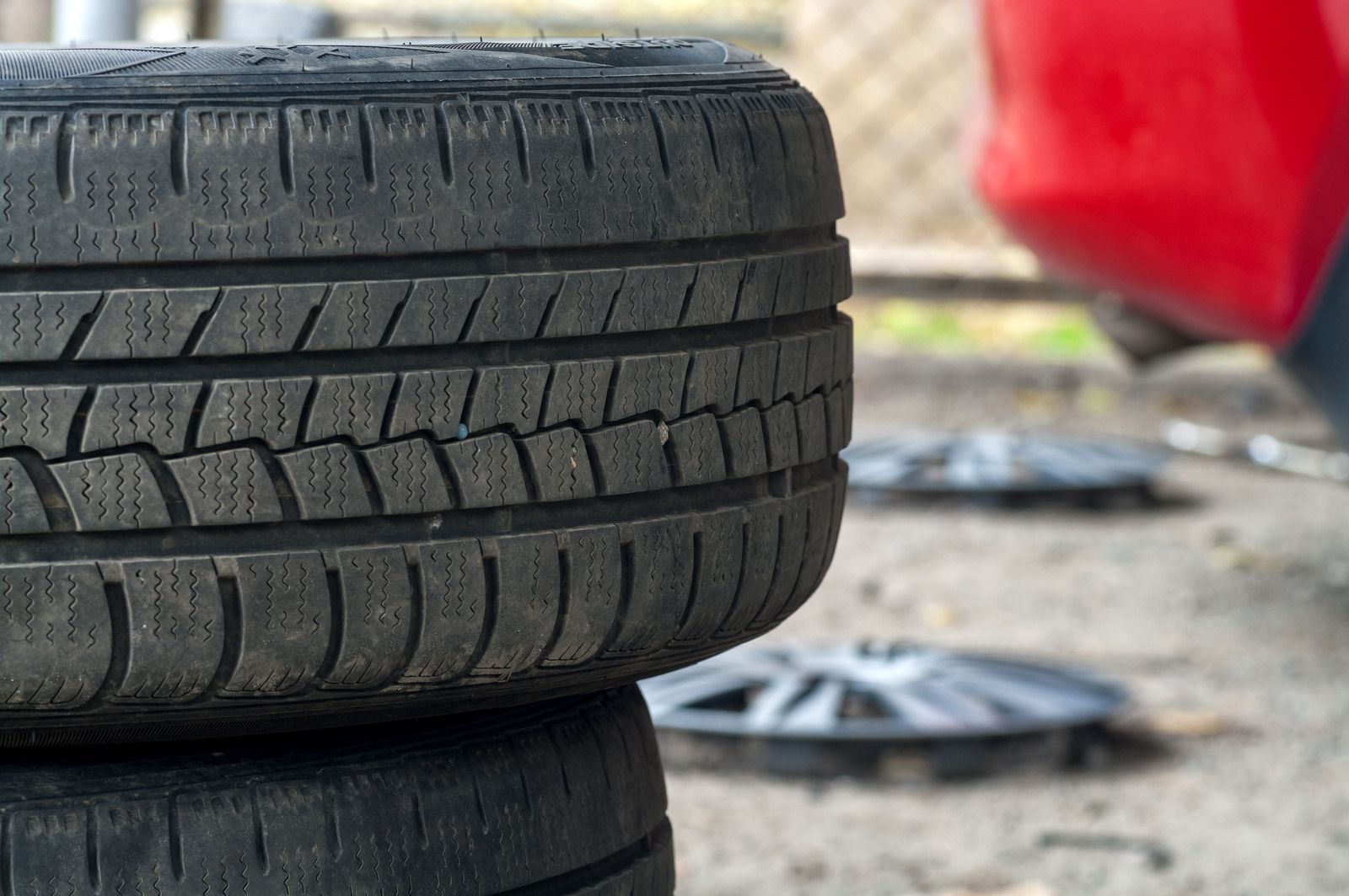
Front tires often wear differently than rear tires due to steering demands, braking pressure, and cornering stress. Fleet operators who delay tire rotations may unknowingly shorten the usable life of entire tire sets. Routine rotation schedules help distribute wear evenly across all tires.
Ignoring Alignment And Suspension Problems
Poor wheel alignment places constant stress on commercial tires during operation. Misalignment causes tires to drag slightly rather than roll smoothly, accelerating tread wear and increasing fuel consumption. Drivers may notice steering pull, vibration, or uneven handling before recognizing alignment issues.
Suspension problems also contribute to abnormal tire wear patterns. Worn shocks, damaged components, or unbalanced loads create additional strain on tires during daily operations. Addressing these mechanical concerns early helps reduce long-term maintenance expenses.
Safety Risks That Impact Fleet Revenue
Tire Failures Increase Accident Risks
Commercial vehicles experiencing tire blowouts or tread separation face serious safety concerns, particularly during highway travel or heavy-load transportation. Tire failures can reduce vehicle control, increase stopping distance, and create dangerous road hazards for drivers and surrounding traffic.
Accidents involving fleet vehicles often lead to expensive repairs, insurance claims, legal complications, and operational disruptions. Even minor incidents can damage customer trust and increase long-term insurance premiums. Preventive tire maintenance helps reduce these avoidable risks.
Driver Confidence And Performance Decline
Drivers operating vehicles with poor tire conditions may experience steering instability, vibration, poor traction, or reduced braking performance. These issues create stress during long driving hours and difficult weather conditions.
Confident drivers are more likely to maintain safe speeds, predictable handling, and smoother operation during deliveries or service routes. Well-maintained tires support better vehicle control while improving overall driving comfort and reliability.
Weather Conditions Make Tire Problems Worse
Rain, snow, heat, and rough road conditions place additional pressure on commercial tires. Worn tread patterns reduce traction during wet conditions, increasing hydroplaning risks and braking distance. High summer temperatures can also increase the likelihood of tire blowouts.
Fleet vehicles often operate regardless of weather conditions, making tire reliability especially important. Regular inspections help identify vulnerabilities before severe weather creates dangerous driving situations.
Preventive Tire Maintenance Strategies For Fleet Operators
Build A Structured Inspection Program
Routine tire inspections should become part of every fleet maintenance schedule rather than occasional visual checks. Drivers and maintenance personnel should inspect tread depth, pressure levels, sidewall condition, and visible damage regularly.
Inspection programs also create maintenance records that help identify recurring issues across certain vehicles or routes. Tracking wear patterns allows fleet managers to make better decisions regarding replacement schedules and operational planning.
Train Drivers To Identify Warning Signs
Drivers spend the most time operating fleet vehicles and often notice early signs of tire problems before maintenance teams do. Proper driver training helps identify vibration, uneven handling, low-pressure warnings, and abnormal tread wear before conditions worsen.
Encouraging immediate reporting of tire concerns helps reduce costly roadside emergencies. Early communication between drivers and maintenance personnel improves fleet reliability while supporting safer daily operations.
Use Tire Pressure Monitoring Technology
Modern tire pressure monitoring systems help fleets detect inflation problems before they lead to severe damage or fuel inefficiency. Real-time pressure tracking improves maintenance accuracy while reducing manual inspection delays.
Technology-driven monitoring also helps large fleets maintain consistency across multiple vehicles operating in different regions or climates. Businesses managing high-mileage commercial vehicles often benefit from improved maintenance oversight through automated systems.
Why Fleet Managers Should Treat Tire Maintenance As A Financial Strategy
Small Problems Become Expensive Over Time
One underinflated tire may not seem like a major operational concern initially. However, when similar issues affect multiple vehicles over months of operation, fuel waste, accelerated wear, and repair expenses grow substantially. Tire neglect rarely creates immediate financial damage but steadily increases costs in the background.
Fleet managers focused only on visible repairs may overlook these gradual losses. Viewing tire maintenance as a financial strategy rather than a basic inspection task helps businesses protect long-term profitability.
Preventive Maintenance Supports Operational Stability
Commercial operations rely heavily on predictable scheduling, dependable transportation, and controlled operating expenses. Tire maintenance supports all three areas by reducing downtime, improving fuel efficiency, and minimizing unexpected failures.
Stable fleet performance also improves workforce productivity. Drivers spend more time completing routes instead of dealing with roadside emergencies or maintenance delays. Operational consistency creates stronger long-term business performance.
Competitive Businesses Prioritize Reliability
Industries relying on commercial transportation face increasing customer expectations regarding delivery speed, scheduling accuracy, and service reliability. Businesses maintaining dependable fleets often gain competitive advantages over operators dealing with recurring breakdowns and preventable delays.
Well-maintained tires contribute directly to smoother operations, safer transportation, and stronger customer trust. Fleet reliability becomes a valuable business asset in highly competitive industries.
Experienced Fleet Service That Protects Business Operations
Neglected commercial tires create financial losses that extend far beyond basic replacement expenses. Increased fuel consumption, unexpected downtime, premature wear, safety risks, and mechanical strain quietly reduce fleet profitability over time. Many businesses focus on major operational costs while overlooking how small tire maintenance issues steadily affect performance across every vehicle in the fleet. Preventive inspections, pressure monitoring, routine rotations, alignment corrections, and driver awareness programs help reduce these hidden expenses before they become larger operational problems.
For commercial fleet operators seeking dependable roadside support and tire-related assistance, McCullough Tire Co
continues to serve businesses throughout Clinton, Missouri with trusted towing and fleet support solutions backed by 35
years of industry experience. Commercial vehicles face demanding road conditions, long operating hours, and unexpected tire emergencies that require fast, knowledgeable assistance. Reliable support becomes especially important when roadside breakdowns threaten delivery schedules, customer commitments, and operational productivity.