Repair Or Replace? How To Make The Right Call On Your Tractor Tires Without Overspending
Tractor tires handle far more than simple transportation across farmland. Every season, agricultural equipment faces uneven terrain, heavy loads, changing weather conditions, mud, gravel, and long operating hours that place constant pressure on tire performance. When damage appears, many equipment owners struggle with one important question: should the tire be repaired or completely replaced? Making the wrong choice can lead to unnecessary expenses, reduced productivity, safety risks, and costly downtime during critical planting or harvesting periods. Understanding how to evaluate tire condition helps farmers and equipment operators make practical decisions that protect both machinery and operating budgets without sacrificing reliability in the field.
The cost of agricultural tires continues to rise, making proper tire management more important than ever. Small punctures or tread damage may not always require a full replacement, while deeper structural problems can quickly worsen if ignored. Knowing the difference helps prevent overspending while extending the life of valuable equipment. From sidewall cracks and uneven wear to tread depth and tire age, several factors determine whether repair or replacement is the smarter investment. Careful inspections, maintenance planning, and professional guidance allow equipment owners to reduce long-term costs while maintaining dependable tractor performance throughout demanding agricultural operations.
Understanding What Causes Tractor Tire Damage
Daily Agricultural Stress And Tire Wear
Tractor tires operate under demanding conditions that create gradual wear over time. Heavy towing, repeated turning, uneven terrain, overloaded implements, and fluctuating air pressure all contribute to tire deterioration. Agricultural equipment often moves between soft soil, rocky paths, gravel roads, and paved surfaces within the same day, which accelerates tread wear and increases stress on tire structure.
Weather conditions also play a major role in tire performance. Prolonged exposure to heat, moisture, freezing temperatures, and ultraviolet rays can weaken rubber compounds. Tires stored outdoors for extended periods often develop cracking that eventually affects reliability. Even well-maintained tires naturally lose durability after years of continuous fieldwork.
Common Signs That Require Attention
Recognizing early warning signs helps prevent expensive damage. Common indicators include:
Uneven Tread Wear
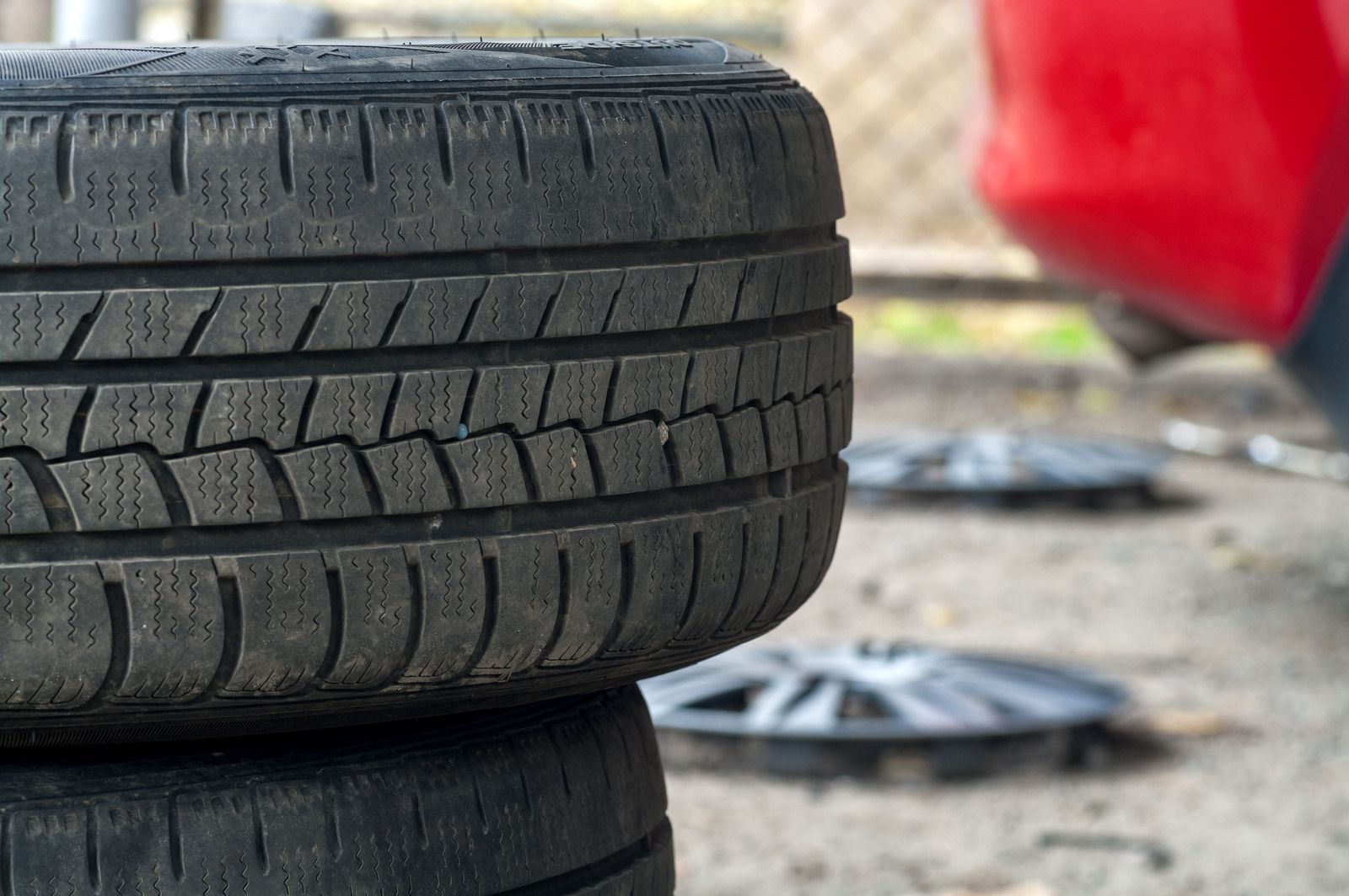
Uneven tread patterns may signal alignment issues, improper inflation, or suspension problems. Ignoring these signs often leads to premature replacement costs.
Sidewall Cracking
Small surface cracks may appear harmless at first, but deeper sidewall damage can weaken structural integrity and increase blowout risks.
Repeated Air Loss
Frequent pressure loss usually points to punctures, valve problems, bead leaks, or hidden structural damage.
Bulges And Deformities
Bulging areas often indicate internal separation within the tire casing. These issues typically require immediate replacement for safety reasons.
Reduced Traction
Worn tread decreases grip in muddy or uneven terrain, reducing operational efficiency during demanding agricultural tasks.
Careful inspections after heavy fieldwork help identify problems before minor damage turns into larger repair bills.
When Tractor Tire Repair Makes Financial Sense
Minor Damage That Can Be Safely Repaired
Not every damaged tractor tire needs replacement. In many situations, professional repair services restore tire performance while saving significant money. Small punctures located within the tread area are among the most common repairable problems. Nails, screws, or sharp debris often create isolated damage that can be patched successfully without compromising safety.
Repairing minor punctures makes financial sense when the tire still has strong tread depth and no structural weakness. A quality repair extends tire life and reduces unnecessary replacement expenses during busy farming seasons.
Situations Where Repairs Are Worth Considering
Tread Area Punctures
Damage located in the center tread area usually responds well to professional patching or plugging.
Limited Surface Cracking
Minor cosmetic cracking that does not reach internal cords may remain serviceable with monitoring and maintenance.
Slow Leaks
Valve stem issues or small bead leaks can often be corrected quickly without replacing the tire.
Relatively New Tires
Repairing newer tires with minimal wear provides better value than replacing expensive agricultural tires prematurely.
Temporary Operational Needs
Short-term repairs may help maintain productivity until scheduled maintenance or seasonal replacement planning becomes possible.
The Importance Of Professional Tire Inspection
Attempting agricultural tire repairs without proper evaluation creates unnecessary risks. Internal cord damage or weakened sidewalls may remain hidden beneath the surface. Professional inspections help determine whether the tire casing remains structurally sound.
Experienced tire technicians evaluate tread condition, internal damage, bead integrity, and overall tire age before recommending repairs. This approach protects operators from spending money on repairs that only delay inevitable replacement.
Knowing When Replacement Is The Smarter Investment
Structural Damage Should Never Be Ignored
While repairs help in certain cases, some tire conditions require immediate replacement regardless of cost concerns. Structural failures can lead to dangerous blowouts, equipment instability, and expensive downtime during important agricultural operations.
Deep sidewall cuts, exposed cords, severe dry rot, and internal separations weaken tire strength beyond safe repair limits. Continuing to operate damaged tires increases the risk of field breakdowns and additional equipment damage.
Warning Signs That Indicate Replacement
Extensive Tread Wear
Shallow tread reduces traction and increases slippage, particularly in wet or muddy soil conditions.
Multiple Repairs
Tires with repeated patches or recurring damage often become unreliable over time.
Sidewall Damage
Cuts, punctures, or cracking near the sidewall usually compromise structural stability.
Tire Age
Even unused agricultural tires deteriorate gradually. Aging rubber loses flexibility and becomes more vulnerable to failure.
Internal Separation
Bulges or vibrations may indicate internal belt separation that requires immediate replacement.
Long-Term Savings From Timely Replacement
Some operators delay replacement to avoid immediate costs, but worn tires frequently create larger expenses later. Poor traction increases fuel consumption and reduces field efficiency. Tire failures may also damage rims, suspension components, or attached equipment.
Replacing severely worn tractor tires improves traction, fuel economy, operator safety, and equipment productivity. New tires also reduce downtime during critical planting and harvesting windows when operational delays become particularly costly.
Factors That Influence Repair Versus Replacement Decisions
Tire Age And Remaining Lifespan
One of the most important considerations involves remaining tire life. Repairing a nearly worn-out tire rarely provides meaningful value. However, repairing a newer tire with substantial tread remaining often becomes the most cost-effective choice.
- Agricultural operators should evaluate:
- Remaining tread depth
- Overall tire condition
- Existing repair history
- Exposure to harsh environmental conditions
- Manufacturer recommendations
Understanding total tire lifespan helps avoid spending money on short-term solutions that fail quickly.
Equipment Usage Patterns
How equipment is used also affects decision-making. Tractors used daily for demanding agricultural tasks require dependable tire performance. In these situations, replacement may provide better reliability than repeated repairs.
On the other hand, tractors used occasionally for lighter work may safely continue operating with professionally repaired tires for longer periods.
Cost Comparison Beyond Initial Expense
Focusing only on upfront cost can create poor long-term decisions. Operators should compare:
- Repair costs
- Replacement costs
- Downtime risks
- Fuel efficiency changes
- Potential crop delays
- Equipment protection
- Productivity losses
A cheaper repair may ultimately become more expensive if the tire fails during important field operations.
Seasonal Timing Matters
Timing also influences repair and replacement choices. During peak agricultural seasons, reliability becomes critical. Preventative replacement before planting or harvesting may reduce costly interruptions later.
During slower periods, operators often have more flexibility to evaluate repairs, compare tire options, and schedule maintenance carefully.
How Professional Tire Services Help Prevent Overspending
Expert Evaluations Save Money
Many equipment owners overspend because they replace tires too early or attempt repairs on tires that should be retired. Professional tire assessments provide balanced recommendations based on safety, performance, and long-term value rather than short-term convenience.
Experienced technicians identify hidden issues that may not appear during basic visual inspections. This guidance helps operators avoid repeated repair expenses and unexpected breakdowns.
Preventative Maintenance Reduces Downtime
Preventative tire maintenance lowers overall operating costs by reducing emergency failures during busy work periods. Scheduled inspections, pressure monitoring, alignment checks, and tread evaluations allow operators to plan replacements strategically rather than react to sudden failures.
Planned maintenance also improves budgeting for agricultural operations by reducing surprise expenses.
Matching Tires To Operational Needs
Different agricultural applications require different tire designs, tread patterns, and load capacities. Selecting the correct tire type improves durability and reduces unnecessary wear.
Professional guidance helps operators choose tires suited for:
- Row crop farming
- Heavy towing
- Muddy terrain
- Mixed surface travel
- Utility work
- Seasonal applications
Proper tire selection extends service life and improves operational performance across demanding agricultural conditions.
Experienced Tire Specialists Delivering Reliable Farm Equipment Support
Making the right decision between repairing or replacing tractor tires requires more than comparing immediate costs. Tire condition, structural integrity, tread depth, equipment demands, and operational timing all influence the smartest long-term choice. Minor tread punctures and limited damage may respond well to professional repairs, while severe wear, sidewall damage, and internal separation often justify full replacement for safety and reliability reasons. Careful inspections and preventative maintenance help reduce unnecessary expenses while extending tire lifespan across demanding agricultural operations.
For more than 35 years, McCullough Tire Co has provided dependable tire and towing support for drivers and equipment owners who need honest service and practical solutions. Based in Clinton, Missouri, our experience handling tire concerns across demanding road and equipment conditions allows us to help customers make informed decisions without unnecessary replacement costs. We understand how important reliable tires are for safety, productivity, and long-term equipment performance, especially when vehicles or machinery face heavy workloads and changing terrain conditions throughout the year.
Our approach focuses on careful inspections, accurate recommendations, and dependable support tailored to each situation. Whether addressing damaged tires, evaluating wear patterns, or helping customers determine whether repair or replacement makes better financial sense, we prioritize long-term value and operational reliability. Clear communication, industry knowledge, and decades of hands-on experience continue to make us a trusted resource for tire-related concerns throughout the region.